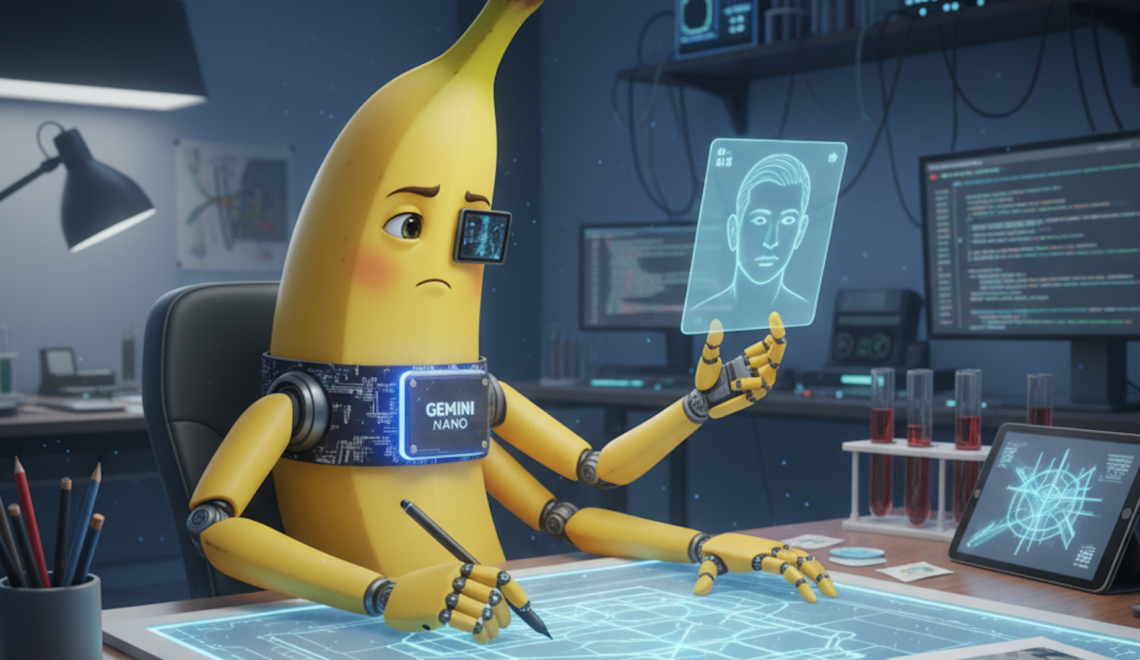
Nano Banana 2: Simple AI Image Tool Designed for Today’s Creative Workflows
AI has fundamentally changed how first-time generative designers create digital images. All throughout the creative process; designers, marketers, content creators, and e-commerce teams, AI tools enhance idea generation and accelerate production. For the first time, teams have the ability to use platforms with cutting-edge Text to Image technology to capture the creative vision and generate images all the while taking the burden off the team to create images from scratch.
An example of this trend is the rapid emergence of Nano Banana 2. This platform is unique as it combines AI for image generation with image editing to be the first of its kind for many creative production use cases across industries. Nano Banana 2 does not aim to replace existing design tools, but to augment design workflows to prototype ideas, create marketing materials, and develop visually engaging content.
The Increasing Importance of AI in the Creation of Visual Content
The creation of visual content is now more important than it has ever been. The digital world relies heavily on high-quality images for social media posts, advertisement banners, product listings, and website graphics. The creative process requires time and sometimes even the help of many team members to develop the images.
Content creators have been provided a unique solution to this problem through AI image generation. AI image generation provides a simple solution. Instead of relying on lengthy design workflows, content creators can quickly and efficiently develop product images and capture the creative vision.
From the initial stages of creative design to the finalized product image, developers have access to the tools they need in a single platform, Nano Banana 2. As an all-in-one solution, developers and content makers can efficiently create and implement images.
The process behind Text to Image Applications
A majority of current AI tools utilize Text to Image technology which essentially is the ability to turn the user’s input text into images.
The instant example that comes to mind is that of a designer inputting the following text:
“Minimalist product display with soft lighting and pastel background.”
Almost instantaneously, the system will generate multiple images relevant to the text and the designer can edit the prompt, rearrange the composition or edit any other attribute of the images.
With Nano Banana 2, that is just one part of your creative process. The platform enables the generation, modification and incorporation of images to design projects seamlessly without hopping between multiple platforms.
Innovative ways to edit images
Most creators, in addition to generating images, also require the ability to make changes to images that already exist. Image-to-image editing enables users to insert a selected photo or illustration and use AI to make changes which can be directed.
This function is capable of assisting a multitude of creative actions:
Visual styles or color palette can be changed
– The background or environment can be modified
Lighting and textures can be changed to enhance them
– Alternate versions of promotional images can be created
As an example, a marketing team can take a product photo and edit it to have a seasonal promotional style, or color scheme, or an advertising layout.
Nano Banana 2 assists with this process by enabling users to apply numerous AI-directed edits so that images can change and develop.
Support for Marketing and Social Media Creative
Marketing teams frequently require a steady influx of creative content. Campaign graphics, blog photos, email banners, and social media posts require many of these, each with the unique style and branding guidelines.
AI platforms have the capability of producing initial drafts and complete visuals for these types of needs. Using Text to Image prompts, users can create illustrations for marketing, themed backgrounds, and visual elements for storytelling.
Social media managers can use AI tools to:
– Make background graphics for advertising
– Make graphics for advertising
– Make graphics for marketing imagery by season
The speed of workflow allows teams to execute numerous ideas and refine visual directions.
Visuals of Merchandise and Product Imagery of Catalogs
AI image platform use cases are the content of e-commerce. Online shops require a lot of product visuals, promotional images, lifestyle images, and catalogs.
AI tools assist in creating images around product visuals. This includes:
– For product visuals, lifestyle background images
– Promotional graphics for online shops
– Visual images for product launches
Text to Image prompts and image editing aid, platforms like Nano Banana 2 assist teams in creating consistent looks for product marketing visuals.
Consistency of Characters and Creative Activities
A hurdle in creating images in various formats can be the same characters or consistent visual elements across many images. For storytelling, branding, or digital media projects, continuity is often very important.
As example artworks show, AI platforms address this by letting users create multiple versions with flexibility to guide or lock certain identities of characters.
For illustrators or content creators engaged with narrative based works, this means they can plan and implement more elaborate workflows that include multiple images down the line.
Professional Use Requires High Resolution
The quality of the image created is also important when aiming to work at a professional market.
Visuals created with AI tools around the web can now be made in high resolutions allowing them to be used in print or digital format. With tools like Nano Banana 2, designers can create images that get clearer when resized to bigger formats, allowing their images to be used in highly versatile ways.
This means that the images created with AI can be seamlessly integrated into the designer’s workflow.
Sequential Image Generation and Cross-Model Variation
The rapid evolution of image generation tools means that images created with different algorithms result in different aesthetics, and some image generation tools offer multiple different algorithms to create images.
Providing creators in the design cost of working with multiple images the value of experimentation.
Using different algorithms, images can be created and edited to fit multiple aesthetics, including:
– Illustrative and conceptual images
– Hyer-realistic images
-These types of images are often used in
– Styled images meant to market a product
– Images meant to tell a story or depict a scene
This means that users can simultaneously create multiple images and then easily change the selected images.
High Image Generation Speed and Low Cost Workflow
The creative process of the modern day is driven by the speed in which different processes can be done. Social media posts and other marketing content need to be created in a matter of days at the most.
Traditionally, designing required a large investment of time and resources; from inception to finalization, it could take hours, days, or sometimes even weeks to complete a single design. Platforms like Nano Banana 2 significantly reduce the time needed to design by generating complete images from first-stage drafts in mere seconds. By integrating image creation and editing, they allow for rapid conceptualization and visualization of ideas.
With this technology, creative teams don’t need to wait for time-consuming design cycles. Instead, they can rapidly capture, visually assess, and iterate any number of ideas.
Committing AI to the Creative Process
The incorporation of AI design technology, like image generation, to creative processes is still in the early stages of development; as it matures, the reliance of designers on standard software for layout and editing will diminish. The efficiency gained by design AI in the early phases of the software design life-cycle is improved by AI image generation. Nano Banana 2 is a case in point.
The rapid development of image-generating technology and editing will foster a greater reliance on AI in the future by combining the key components of design in a flexible workflow.