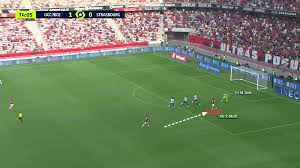
Ligue 1 Teams That Concede Goals After Losing Possession in Midfield
In Ligue 1, conceding goals is often traced back not to defensive lines, but to what happens moments earlier in midfield. Teams that lose possession centrally expose themselves to immediate danger because the midfield acts as both a shield and a launchpad. When that zone fails, the defensive structure behind it is forced into reactive situations that rarely end well.
Why midfield turnovers are uniquely dangerous
Midfield turnovers occur closer to goal than lost possession in wide areas, reducing reaction time for defenders. The cause is compressed spacing; the outcome is attackers running directly at retreating back lines. The impact is a higher probability of high-quality chances conceded within seconds.
Structural spacing problems behind the midfield
Teams that push fullbacks high or compress their midfield lines create vulnerability once possession is lost. The cause is aggressive positioning; the outcome is exposed central channels; the impact is defenders forced to step out of line, opening passing lanes for runners beyond them.
Press resistance as a decisive factor
Not all teams lose the ball equally. Some are structurally poor at resisting pressure in central zones, especially when building through single pivots. The cause is limited passing angles; the outcome is rushed touches; the impact is predictable turnovers that opponents actively target.
Mechanisms that turn turnovers into goals
The transformation from turnover to goal follows repeatable patterns rather than randomness.
Common sequences include:
- Central midfielder receiving with back to play under pressure.
- Immediate interception or tackle in zone 14.
- Vertical pass into space before defensive lines reset.
- Shot taken within two or three touches.
These mechanisms explain why certain teams concede similar goals repeatedly, even against different opponents.
Tactical identities most exposed to this risk
Before identifying profiles, it is important to note that this issue reflects tactical identity, not isolated mistakes.
Teams most exposed often share:
- High possession emphasis without positional rotation.
- Narrow midfield shapes that invite pressure.
- Center-backs uncomfortable defending open space.
- Limited counter-pressing intensity after loss.
Interpreting these traits helps distinguish between correctable execution errors and systemic weaknesses.
Comparing central versus wide turnovers
The contrast clarifies why midfield losses are disproportionately punished.
| Turnover Location | Defensive Recovery Time | Chance Quality |
| Central midfield | Minimal | High |
| Wide areas | Moderate | Medium |
| Final third | Low | Low |
This comparison highlights why coaches prioritize central security even at the cost of attacking fluidity.
Data-driven betting implications
From a data-driven betting perspective, teams that repeatedly concede after midfield turnovers are often misread by surface metrics. Possession dominance can mask fragility. When match data is reviewed in environments that combine turnover maps, transition speed, and opponent shot timing—conditions commonly assessed through ufabet เว็บหลัก มือถือ—the key insight is identifying whether conceded goals stem from isolated errors or repeatable patterns. Persistent central-loss sequences increase defensive risk regardless of opponent quality.
When midfield turnovers do not lead to goals
Not every turnover is punished. Teams with rapid counter-pressing, staggered midfield lines, or conservative fullback roles can absorb losses centrally. In these cases, the cause is built-in protection; the outcome is slowed transitions; the impact is reduced shot quality conceded despite possession loss.
Summary
Ligue 1 teams that concede goals after losing the ball in midfield reveal a structural vulnerability rather than simple defensive weakness. Central turnovers compress reaction time, expose spacing flaws, and amplify opponent efficiency. Understanding whether these goals arise from systemic design or correctable execution is essential for accurate tactical and data-driven evaluation.