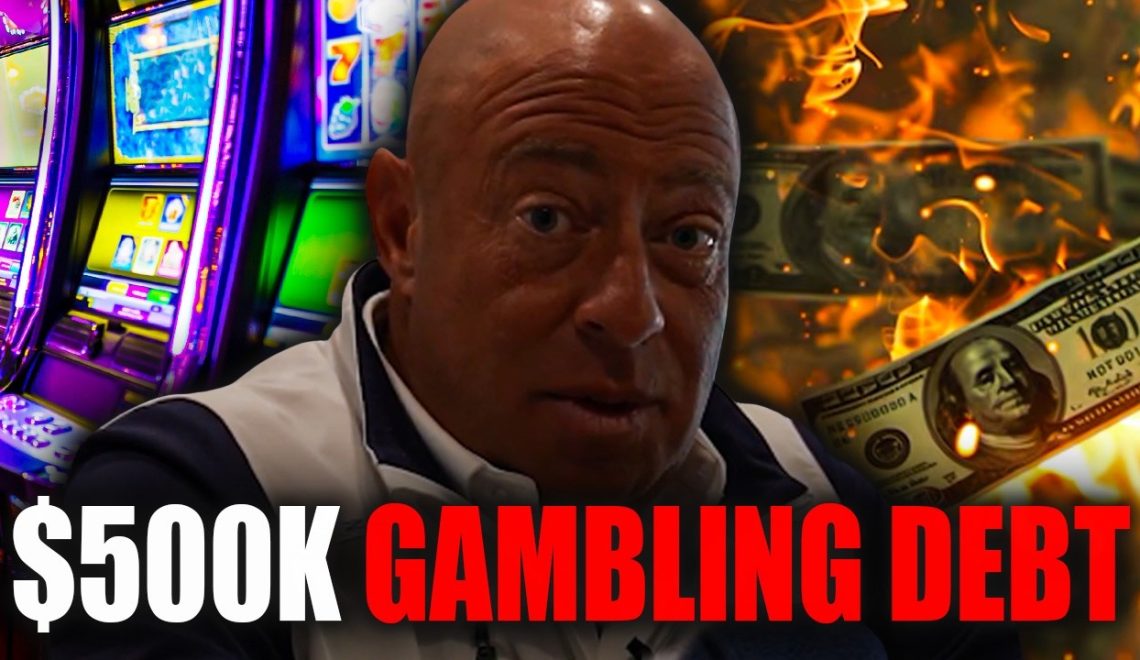
Real Stories of People Who Lost Everything Playing Slots
Slot machines often symbolize entertainment, excitement, and the dream of instant riches. But for some players, they become the source of devastating losses that strip away savings, relationships, and even stability in life. Real-life stories of individuals who lost everything to slots are powerful reminders of the risks involved.
This article explores why people are drawn so deeply into slot play, presents real cases of collapse, and analyzes the mechanics and psychology behind such losses. By the end, readers will see both the emotional weight of these stories and the practical lessons that can help avoid similar outcomes.
Why People Get Drawn Into Slots
Slots are designed to be engaging. The bright lights, immersive sounds, and promise of big wins create a compelling experience. For many, this provides harmless entertainment, but for others, the pull becomes overwhelming.
Psychologically, the concept of “near misses” convinces players they are just one spin away from winning. Socially, the availability of slots—in casinos, online platforms, and even on mobile apps—makes them easy to access anytime. This semantic closeness between motivation and behavior helps explain why slots are among the most addictive forms of gambling.
These motivations set the stage for real stories of financial collapse.
Case Studies of Financial Collapse from Slots
History and personal accounts show countless cases where slot play led to devastating outcomes. These case studies provide context for understanding how ordinary people and high-rollers alike fell into the same traps.
Everyday Players Who Lost Their Savings
For many everyday players, the journey starts small. Someone may wager modest amounts, only to escalate bets after chasing losses. Over months or years, small overspending snowballs into drained savings accounts.
Consider stories shared in gambling support groups: individuals who began playing casually but ended up losing retirement funds or emergency savings. These similar entities demonstrate that financial ruin is not limited to the wealthy—it can affect anyone drawn into excessive slot play.
High-Roller Losses in Casinos
On the other end of the spectrum are high-rollers, whose immense resources sometimes mask the severity of losses. Documented factual propositions show cases of wealthy professionals and business owners who gambled away millions on slots. Their ability to fund prolonged play makes losses catastrophic when they finally collapse.
Whether an ordinary saver or a high-roller, the mechanics of slot machines play a crucial role in these outcomes.
Slot Mechanics That Lead to Heavy Losses
Slot games are built on features that encourage extended play:
- Random Number Generators (RNGs): Ensure outcomes are unpredictable, keeping players chasing uncertain wins.
- Volatility: Some slots offer rare but massive payouts, tempting players into long sessions.
- Progressive jackpots: Growing prize pools lure players into wagering more, often beyond their means.
These related attributes demonstrate how slots naturally create environments of risk. Once combined with psychological factors, the losses become amplified.
The Psychology of Chasing Losses
Mechanics alone don’t cause collapse—behavior does. The gambler’s fallacy convinces players that after many losses, a win is “due.” Sequential reasoning leads to doubling bets, chasing losses, and prolonging sessions far beyond the original budget.
Premise: chasing losses seems like a solution. Sequential sentences reveal the truth—it magnifies financial damage, drains resources faster, and deepens emotional stress. This cycle often leads to the most destructive outcomes.
Financial and Emotional Consequences
The consequences of slot addiction are severe by every criterion:
- Financial: Mounting debt, bankruptcy, or loss of property.
- Emotional: Stress, depression, and loss of self-esteem.
- Relational: Strain on families, breakdown of trust, or divorce.
Defining these criteria shows why the fallout extends far beyond money. Slot losses erode every dimension of stability. These realities demand lessons that players can apply directly.
Lessons from Real-Life Slot Losses
Key lessons drawn from these stories include:
- Set limits before play: Define time and money boundaries.
- Recognize chasing behavior: Walk away when tempted to recover losses.
- Slots are entertainment, not income: Never treat them as financial solutions.
- Access support when needed: Seek help through counseling or support groups.
These top lessons provide a roadmap for players seeking to avoid the traps that devastated others.
Bankroll Management and Safer Gambling
Practical prevention requires structured bankroll management. Steps include:
- Determine a fixed budget: Decide what you can afford to lose without harm.
- Break bankroll into sessions: Spread funds across multiple playtimes.
- Set stop-loss limits: End sessions after reaching a defined loss amount.
- Use winnings wisely: Withdraw or allocate profits instead of reinvesting recklessly.
- Track outcomes: Keep records to maintain accountability.
Platforms that support safer play, such as those with flexible systems like ufa747ฝากถอน, give players better control over deposits and withdrawals, reinforcing discipline.
Responsible Gambling and Balance in Entertainment
Ultimately, responsible gambling is the safeguard against devastating losses. Slots should be seen as entertainment, not investment. Tools like self-exclusion, deposit caps, and session reminders support healthy play.
Equally important is platform choice. Opting for trusted providers, such as คาสิโนออนไลน์ ufa, ensures fair play and responsible gaming features. By combining awareness with the right environment, players can maintain balance and prevent history from repeating itself.
Conclusion: Awareness from Stories of Loss
The stories of people who lost everything to slots are sobering reminders of how easily entertainment can spiral into devastation. From everyday savers to wealthy high-rollers, the mechanics of slots, combined with psychological traps, lead to financial and emotional collapse.
Yet, these stories also provide valuable lessons. With bankroll management, responsible gambling practices, and platform safeguards, players can enjoy slots safely. Awareness is the greatest defense—transforming tragic stories into guidance for smarter, balanced play.