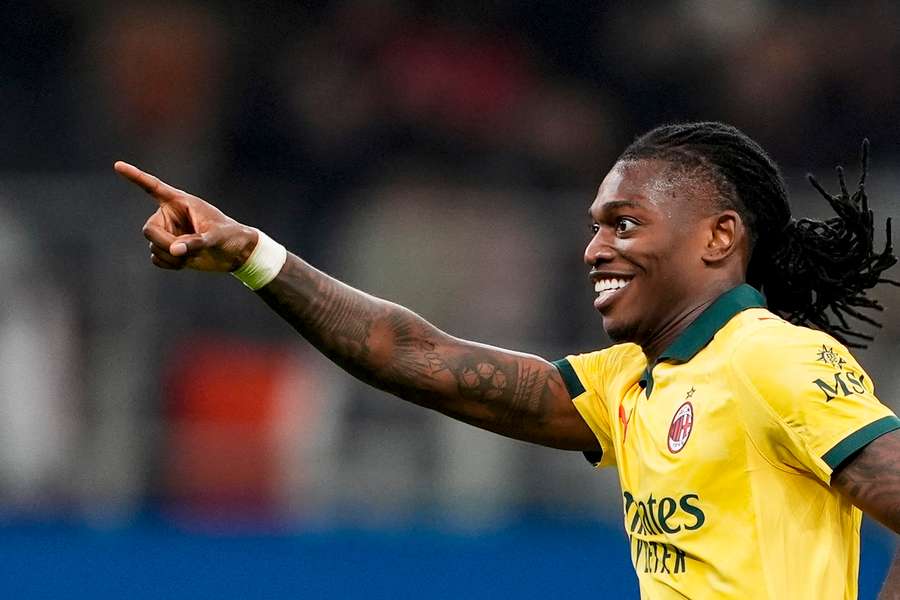
Serie A Teams That Frequently Concede Equalizers
Conceding equalizers in Serie A is rarely a matter of bad luck. Certain teams repeatedly lose winning positions because of how they manage leads, structure defensive phases, and respond to changing match incentives. This article analyzes why some Serie A teams are more prone to being pegged back after scoring, how this pattern appears during matches, and which conditions make it more or less likely. The aim is to explain the logic behind repeated equalizers rather than focus on individual mistakes or isolated results.
Why Equalizers Occur Repeatedly for Specific Serie A Teams
Equalizers tend to occur when teams fail to transition from attacking intent to game control after taking the lead. In Serie A, where tactical discipline is high, opponents often respond to conceding by increasing pressure in structured ways rather than through chaos. Teams that lack a clear post-goal plan become vulnerable during this adjustment phase.
This vulnerability is amplified when the leading team continues to attack without protecting central zones or when it retreats too deeply without maintaining pressing access. Both extremes create predictable pressure points that opponents can exploit to restore parity.
Game Management After Scoring the First Goal
How a team behaves in the minutes following a goal often determines whether the lead is preserved. Teams that concede equalizers frequently show instability during this period, either through rushed buildup or passive defending.
Effective game management requires slowing tempo, controlling territory, and forcing opponents into low-probability actions. Teams that fail to adjust often allow momentum to swing immediately, increasing the likelihood of an equalizer before structural control is re-established.
Common post-goal management issues include:
- Immediate loss of possession from direct restarts
- Defensive lines dropping too early
- Midfielders abandoning pressing responsibilities
- Full-backs remaining high without cover
After these behaviors appear, the opponent’s pressure becomes sustained rather than sporadic.
Defensive Shape and Transition Vulnerability
Serie A teams that concede equalizers often struggle with defensive spacing during transitions. When attacking shape is not compact, losing the ball exposes central defenders to direct runs and overloads.
Transition vulnerability is especially problematic against teams with strong midfield runners or wide attackers cutting inside. Without coordinated recovery runs, even numerically balanced defenses can become positionally compromised.
A structural comparison highlights this issue:
| Defensive Phase | Stable Teams | Equalizer-Prone Teams |
| Rest defense width | Narrow | Stretched |
| Midfield screening | Active | Passive |
| Recovery speed | Coordinated | Fragmented |
| Box protection | Layered | Flat |
This imbalance explains why pressure often converts into goals rather than harmless possession.
Psychological Response to Pressure
Beyond structure, psychological response plays a critical role. Teams that frequently concede equalizers often show signs of hesitation when defending leads. Players avoid progressive passes, clear lines prematurely, or commit unnecessary fouls near the box.
Opponents sense this hesitation and increase attacking commitment, knowing that the leading team is prioritizing error avoidance over control. This psychological shift reduces defensive clarity and increases the chance of conceding from set pieces or second balls.
Conditional Effect of Match Importance on Equalizer Risk
Match importance alters psychological tolerance for risk. Teams protecting a narrow lead in high-stakes matches, such as relegation battles or derby games, are more likely to retreat excessively.
Under these conditions, defensive behavior becomes reactive rather than proactive, increasing shot volume against them. This conditional factor explains why equalizers occur more often in matches with asymmetric pressure rather than routine fixtures.
Squad Depth and Late-Match Fatigue
Fatigue amplifies equalizer risk, particularly for teams with limited rotation options. As matches progress, pressing intensity drops and defensive distances widen, making it harder to close shooting lanes.
Late substitutions aimed solely at time management often worsen the problem if replacements lack match rhythm or positional awareness. Instead of stabilizing the game, these changes can disrupt communication and spacing.
Opponent Adjustment and Tactical Exploitation
Teams that concede equalizers repeatedly are often slow to respond to opponent adjustments. Serie A coaches frequently change attacking structure after falling behind, introducing additional forwards or altering width usage.
If the leading team fails to counter these adjustments with corresponding defensive changes, pressure concentrates in predictable zones. This mismatch allows opponents to create higher-quality chances despite similar possession levels.
A typical opponent adjustment sequence includes:
- Increasing central presence between the lines
- Overloading one flank to isolate full-backs
- Introducing a second striker to occupy center-backs
- Targeting cut-backs rather than crosses
After this sequence, equalizers often follow from close-range chances.
Interpreting Equalizer Patterns in Analytical Evaluation
Analyzing equalizer-prone teams requires focusing on process rather than results. Repeated concessions after leading indicate structural fragility rather than random variance. Indicators such as declining possession quality, rising shot volume conceded, and deeper average defensive lines provide clearer signals than goals alone.
In analytical environments that examine such match dynamics, including platforms like ufabet มือถือ, equalizer patterns are interpreted through game-state behavior rather than final scorelines. When a team consistently loses control after scoring, the risk of conceding becomes systemic. This perspective emphasizes understanding how leads are defended, how tempo is managed, and how substitutions affect structure, offering a more accurate explanation of why certain Serie A teams struggle to protect advantages over time.
Risks and Limits of Equalizer-Focused Analysis
Not all equalizers indicate weakness. Exceptional goals, deflections, or officiating decisions can distort short-term patterns. Over a small sample, these events may exaggerate perceived vulnerability.
Additionally, teams that adopt high-risk attacking models may accept equalizers as part of a broader strategy to win matches late. In such cases, equalizers reflect trade-offs rather than failure. Distinguishing between strategic risk and structural weakness is essential.
Summary
Serie A teams that frequently concede equalizers do so because of recurring issues in post-goal management, defensive transition control, psychological response to pressure, and late-match fatigue. These equalizers emerge when opponents adjust effectively and the leading team fails to regain structural control. While situational factors can influence outcomes, repeated equalizers point to identifiable patterns in how leads are defended. Understanding these patterns explains why some teams struggle to protect advantages even when match quality appears sufficient.